
Shoes & Sneakers
Louis Vuitton Runner Tatic Sneaker White Blue
¥598 ≈ $83.06 USD · RyFinds reference
View on RyFinds

Fishgoo research directory
Start with the Source-to-Parcel Guide, then apply its checks to spreadsheet rows and product finds.
Resources
One independent guide with a specific decision workflow.
Practice queue
Try the six-part record on a small, varied product set.
Shoes & Sneakers
¥598 ≈ $83.06 USD · RyFinds reference
View on RyFinds
Shoes & Sneakers
¥278 ≈ $38.61 USD · RyFinds reference
View on RyFinds
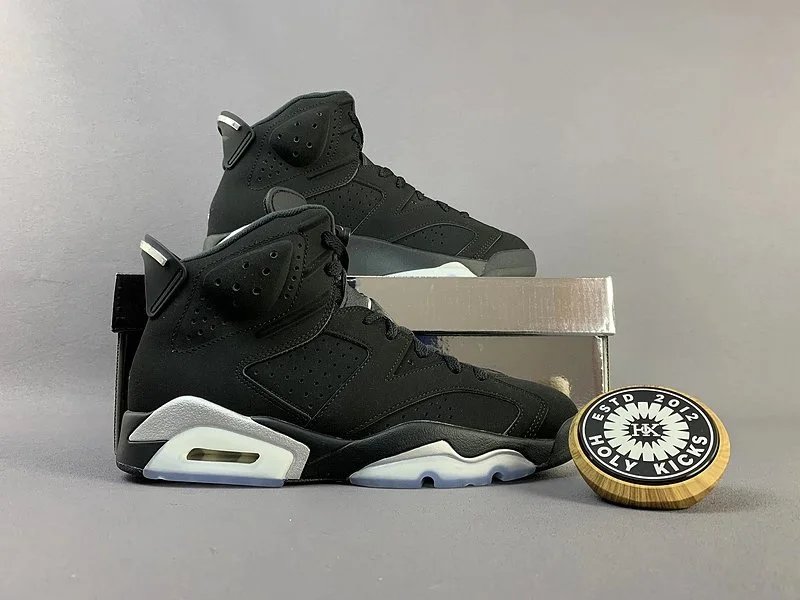
Shoes & Sneakers
¥298 ≈ $41.39 USD · RyFinds reference
View on RyFinds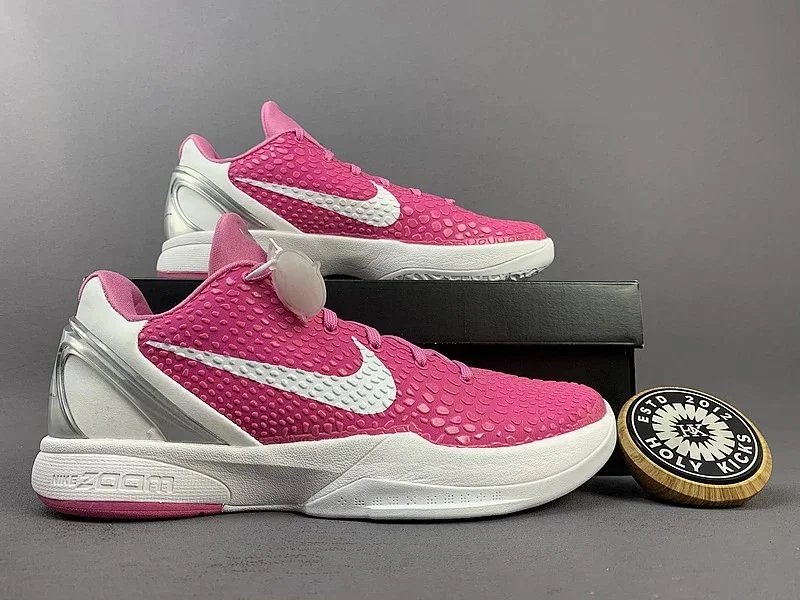
Shoes & Sneakers
¥518 ≈ $71.94 USD · RyFinds reference
View on RyFinds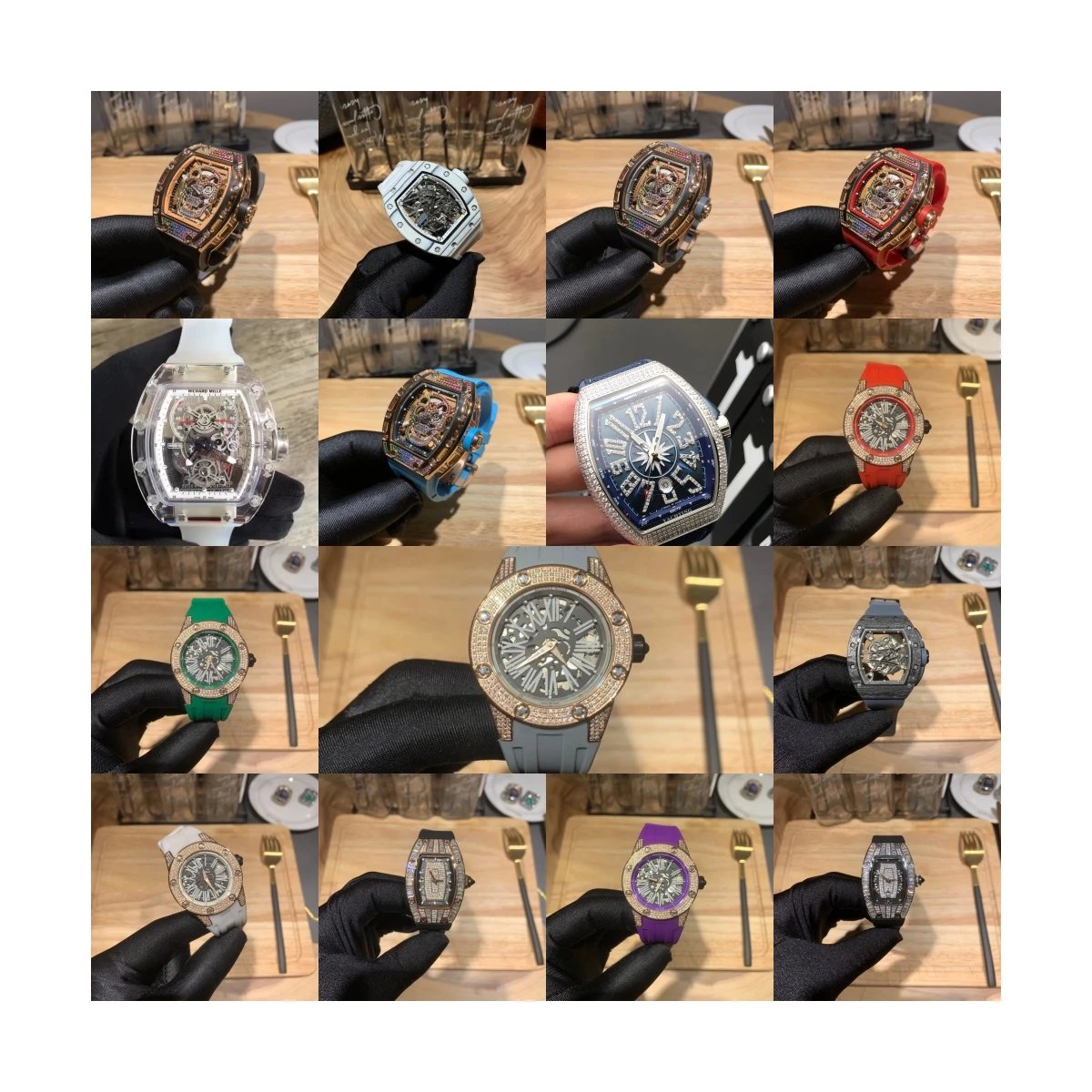

Hoodies & Sweaters
¥228 ≈ $31.67 USD · RyFinds reference
View on RyFinds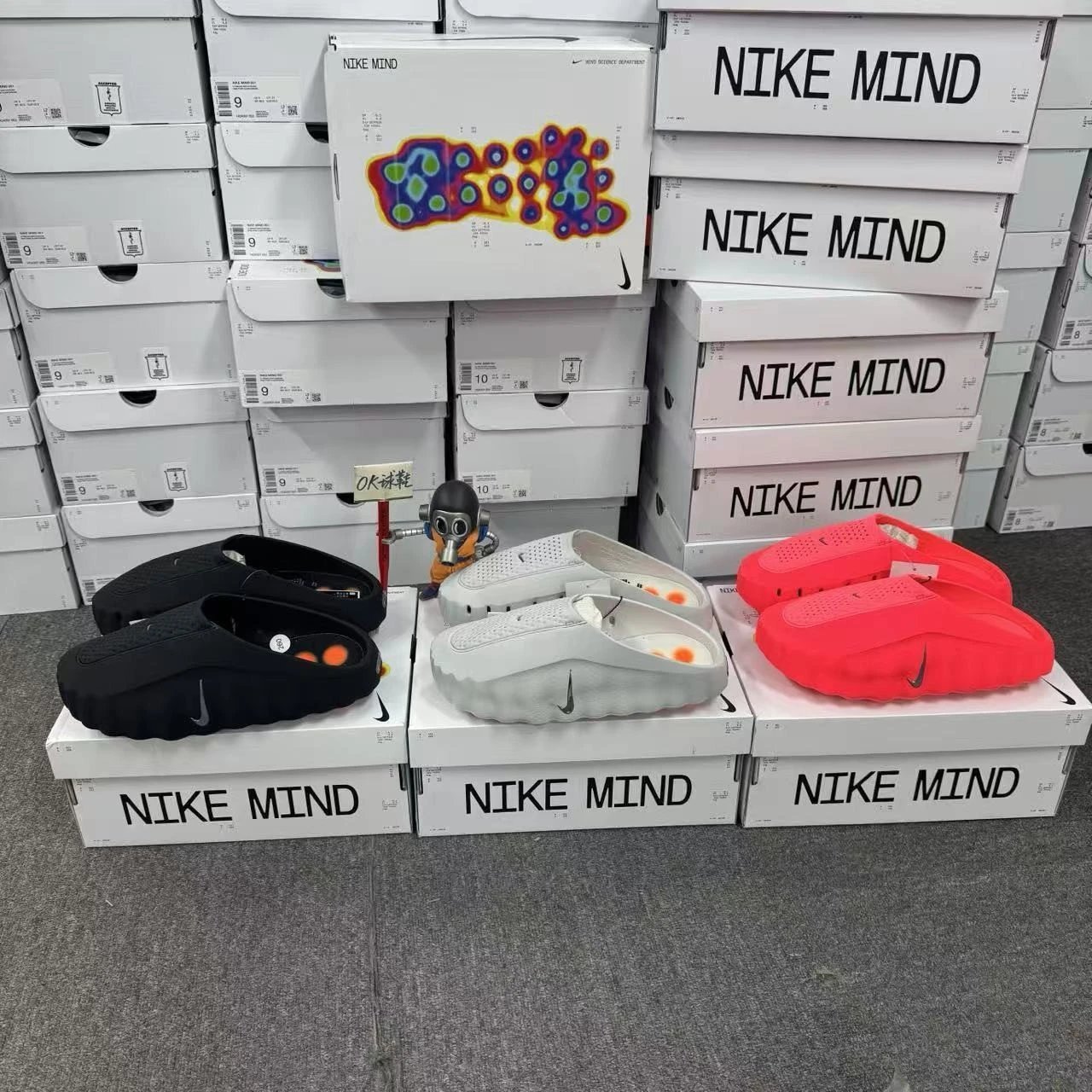
Continue the research path
Move from a broad record to a product-specific check, then confirm common service and evidence questions.
Guide selection
The guide library is organized around stages of research. Use a source guide when the listing identity, seller or option is unclear. Use a category guide when fit, construction or included parts need a consistent checklist. Use a QC guide after warehouse evidence exists. Use a shipping guide only after weight, packaging and destination constraints can be estimated.
A guide is not a prediction of a seller, product or parcel outcome. It provides a repeatable procedure and names the evidence required to move forward. If the evidence is absent, the correct result can be Wait or Replace.
Carry the same source URL, option, date and product identifier from discovery into QC review. Do not attach photos from another colour, model or community post to the current row. When a route estimate changes, record the old assumption and the new input instead of overwriting the history.
Each guide should end with a clear next action and links to the relevant category and FAQ. This structure helps a beginner follow the path from homepage to spreadsheet, category, detailed guide and final status without depending on a search result or promotional claim.
Guide revisions focus on broken links, unclear procedures, missing service boundaries and changes in public platform information. The modified date reflects the guide review, while external policies must still be checked directly. Submit corrections through Contact.
A useful guide names its scope, the evidence required, the service boundary and the next action. It should not repeat a promotional claim or promise a result. Updates focus on procedures that readers can reproduce: source checks, measurement comparisons, QC questions, parcel assumptions and correction handling.
Articles that no longer add a distinct workflow should lose Sitemap priority until they are revised or consolidated.
Last editorial review: July 26, 2026. External product, seller and platform information must be verified at the source.
Every material statement should be traceable to the current page, a dated public source or a clearly labelled editorial observation. When a source changes, the review date and affected link should change with it. This prevents an old platform feature, price or option from becoming an undated claim.
Use Contact to report a factual conflict and include the exact URL involved.
A guide earns a place in the primary library when it answers a distinct question with enough detail to reproduce the check. Short promotional summaries, repeated platform descriptions and undated claims do not meet that standard. High-value guides identify inputs, show how to record uncertainty and explain what evidence would change the status. The library links to categories and the FAQ so readers do not treat an article as a standalone endorsement. Lower-value articles can remain accessible without receiving Sitemap priority until their scope and evidence are improved.
Internal links use the HTTPS non-www canonical paths shown in the Sitemap. Redirected, noindex and language-variant URLs are not included as index candidates.
Before following a guide, confirm its scope, modified date and required evidence. After using it, the spreadsheet row should contain a specific observation and next action rather than a generic confidence score. If the guide depends on a policy, price, route or platform feature, verify that fact on the current official source and preserve the date checked.